

Introduction: Mitigating Capital Expenditure While Maximizing Operational Output
The construction and aggregate industries face persistent margin compression from rising fuel costs and new equipment prices. For fleet managers, a high-quality second-hand excavator represents not a compromise, but a calibrated engineering solution. Modern pre-owned units (typically 3-8 years old) retain over 85% of their structural integrity and hydraulic efficiency, offering a 40-60% reduction in acquisition cost versus new models. However, success demands rigorous technical evaluation. This guide analyzes core powertrain metrics, hydraulic pressure sustainability, and emission standards (EPA Tier 4 / EU Stage V) to ensure your investment delivers Total Cost of Ownership (TCO) advantages within 18 months.
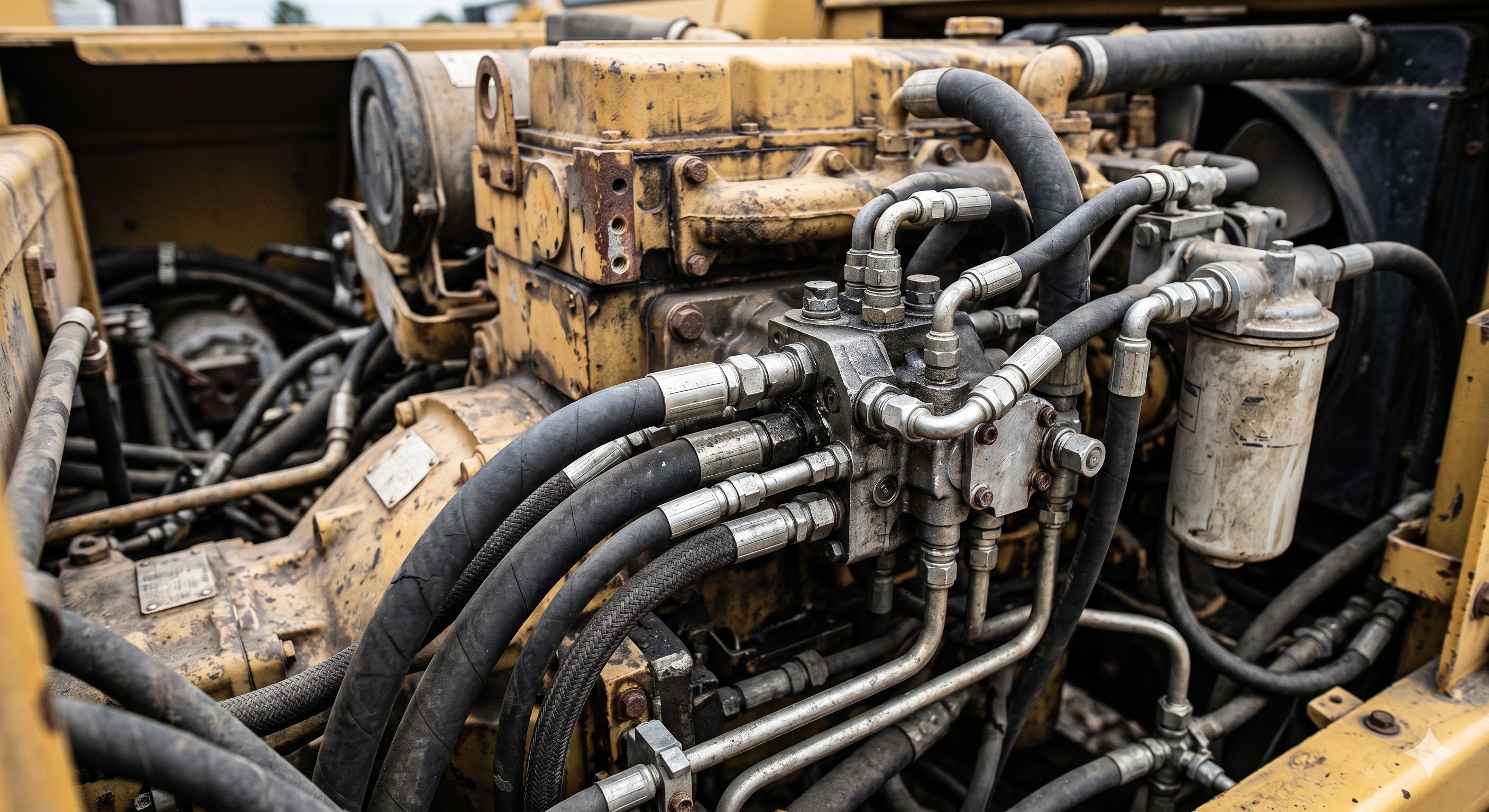
Core Powertrain & Structural Design: The Non-Negotiable Durability Factors
The longevity of a second-hand excavator hinges on three interdependent systems: the engine, main hydraulic pump, and undercarriage. Unlike cosmetic wear, these components follow ISO 6016 fatigue life standards.
Engine Resilience & Emission Compliance
Diesel engines from Caterpillar, Komatsu, or Hitachi typically exceed 10,000 operating hours before requiring major overhauls. Key metrics to verify: fuel consumption (g/kWh) should remain within 12% of factory spec. Verify EPA Tier 4 Interim or Final (or EU Stage IV/V) compliance – non-compliant units face usage bans in regulated zones. Check turbocharger boost pressure (maintaining 2.0-2.5 bar) and crankcase blow-by levels.
Hydraulic System Integrity & Pressure Retention
Main pump discharge pressure for a 20-30 ton class second-hand excavator should reach 32-35 MPa (ISO 6149). Degradation beyond 8% indicates worn swash plates or piston shoes. Evaluate pilot pressure consistency (3.5-4.5 MPa) and cylinder drift – ISO 6022 standard allows max 5mm/minute drift for boom cylinders. Demand a hydraulic oil analysis (particle count ISO 4406 code <18/16/13).
Chassis & ROPS/FOPS Structural Health
Track link height wear should not exceed 25% of original (measure from link top to pin boss). Sprocket and idler surfaces must show no asymmetric hardening. The cab must retain ROPS (ISO 12117-2) and FOPS (ISO 3449 Level II) certification – any welding repairs on the rollover protection structure invalidates compliance.
Technical Specifications: Benchmarking a Premium Second-hand Excavator
The following baseline represents a well-maintained, 8,000-hour second-hand excavator in the 22-ton class (e.g., Caterpillar 320D or Komatsu PC200-8). Always compare against OEM specifications for deltas.
[TABLE_1]Comparative Advantage: TCO, Fuel Efficiency & ROI Modeling
Against a new baseline ($180k), a premium second-hand excavator (5 years old, 7,000 hours) priced at $85k yields an ROI breakeven at month 14 (assuming $4.5k monthly revenue differential). The TCO equation includes:
- Depreciation: Used units depreciate 8-12% annually vs. 25-30% for new in first two years.
- Fuel Efficiency: Tier 4 Final engines on post-2015 models achieve 5-7% better specific consumption (195 g/kWh) than Tier 3 – verify injector wear via electronic data.
- Maintenance Cost: Annual parts (filters, hydraulic oil, track pads) average $3,200 for used vs. $5,500 for out-of-warranty new – due to lower insurance premiums and simpler aftertreatment systems.
- Residual Value: After 4 years of ownership, a well-chosen second-hand excavator can be sold for 45-55% of purchase price, versus 35-40% for new.
Heavy-Duty Application Scenarios: Where Pre-owned Excavators Excel
The engineering robustness of a verified second-hand excavator suits severe operating environments where per-hour ROI dominates.
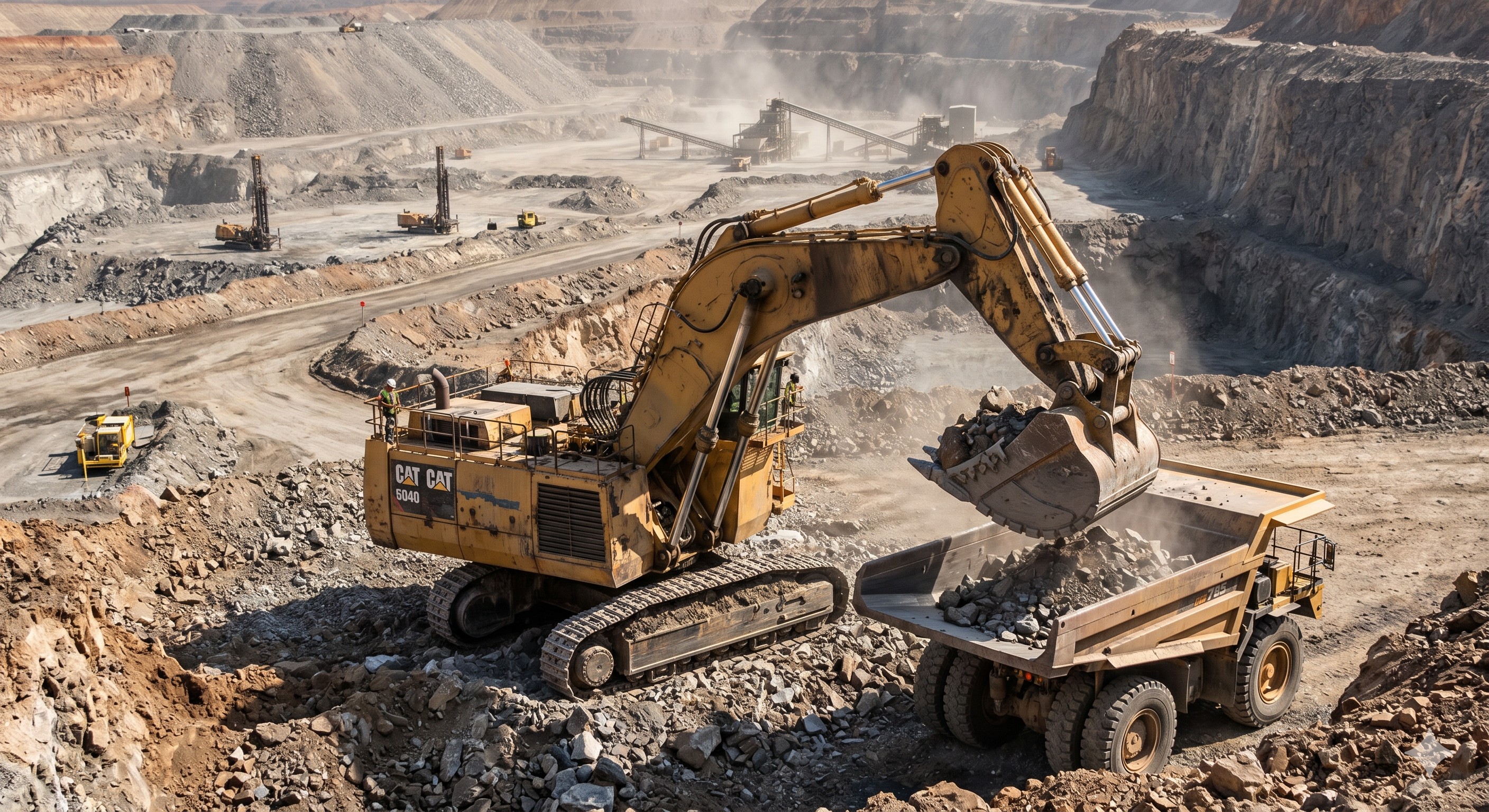
- Medium-Scale Quarry & Mining (Overburden Removal): Units with reinforced booms and high-walk undercarriage handle granite/limestone. Specify ISO 10265 track chain for abrasive conditions.
- Urban Earthmoving & Demolition: Reduced exhaust (EU Stage V compliant used excavators) allows operation in low-emission zones. Hydraulic thumb and rotator compatibility is crucial.
- Heavy Civil (Flood Control / Canal Dredging): Second-hand long-reach excavators (18-22m boom) provide cost-effective solution for maintenance dredging, with 800L bucket capacity on 35-ton base units.
- Forestry & Land Clearing: Look for pressure relief valves set to 36MPa and FOPS Level II cabs with laminated guarding. Undercarriage seal protection is mandatory.
Conclusion: Engineering the Second-hand Excavator Decision for Industrial Productivity
The intelligent selection of a second-hand excavator is a high-ROI engineering process, not a gamble. By validating engine fuel consumption curves against OEM data, confirming hydraulic pressure retention within ISO wear limits, and demanding ROPS/FOPS structural integrity, you acquire a production asset with 4,000-6,000 remaining high-reliability hours. As construction enters a productivity-optimization cycle, pre-owned heavy machinery – when rigorously specified – becomes the backbone of lean, profitable operations. Prioritize unit history over low price, and always perform an accredited third-party hydraulic and structural audit.