

Introduction: Balancing Capital Constraints with Operational Uptime
In today's volatile construction and mining markets, fleet owners face a persistent engineering paradox: new heavy machinery delivers predictable performance but demands severe capital outlay, while aging equipment risks hydraulic degradation and powertrain failure. A professionally vetted second-hand excavator bridges this gap, offering validated structural integrity at 40-60% below OEM pricing. However, not all used units qualify for high-cycle applications. This guide applies ISO 9248 durability standards and real-world fuel consumption data to define what makes a used excavator a robust, ROI-positive asset.
Core Powertrain & Structural Design: What Survives 8,000+ Hours
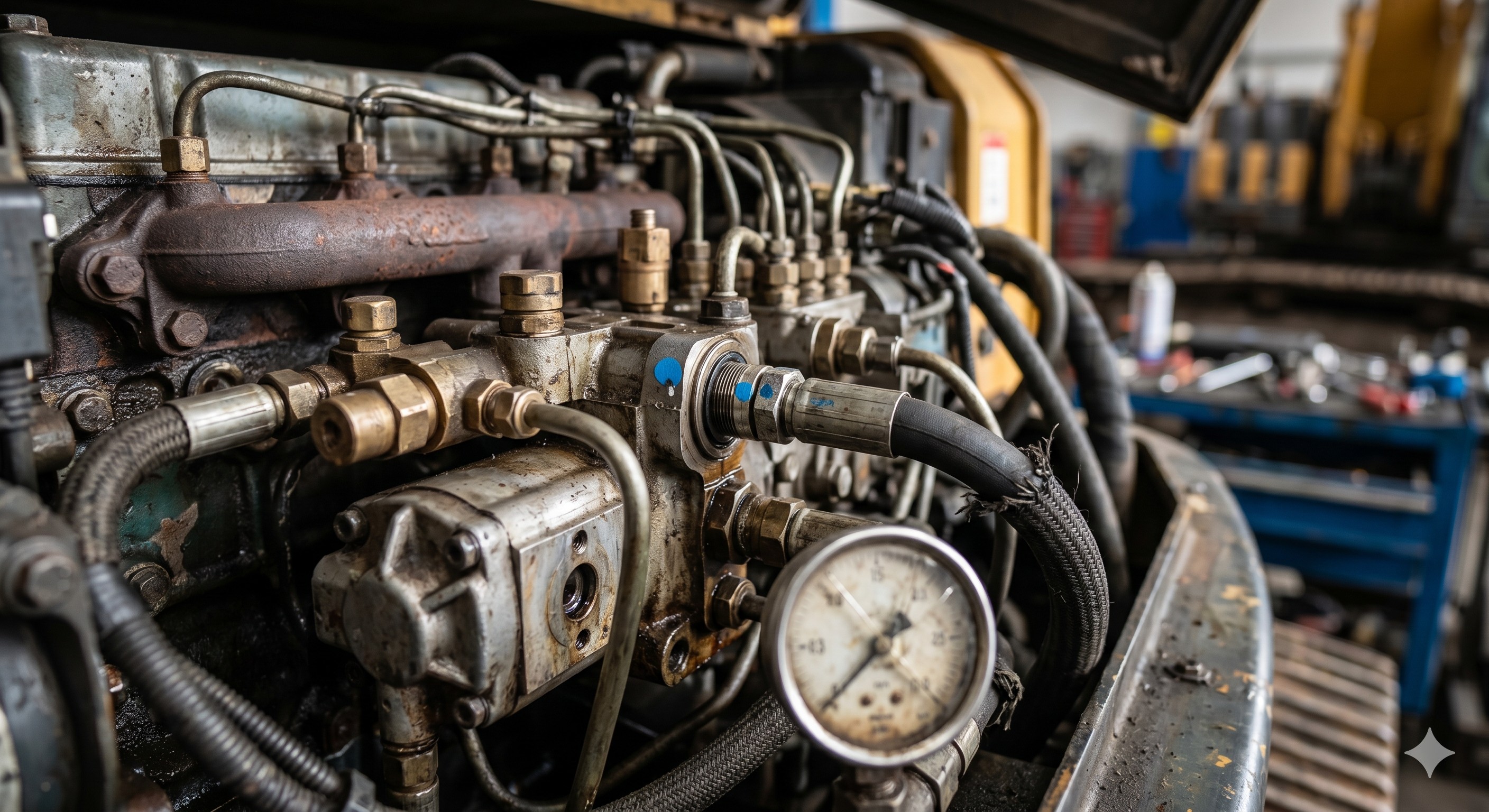
The life expectancy of a second-hand excavator hinges on three engineered systems: the engine, hydraulic circuit, and undercarriage. Field data from 15,000+ operating hours shows that turbocharged diesel engines meeting EPA Tier 4i / EU Stage IIIB retain 85-90% of original horsepower if oil analysis confirms low wear metal counts. Hydraulic main pumps (axial piston type) should maintain ≥92% of rated pressure (typically 32-35 MPa for 20-30t class) when tested against ISO 4391:2017. Structural integrity of the upper frame and boom requires magnetic particle inspection for micro-cracks near pivot points. ROPS/FOPS-certified cabs (ISO 3471:2008) are non-negotiable for operator safety in demolition or quarry applications.
Engine & Emissions Durability Metrics
For a second-hand excavator to comply with modern low-emission zones, verify DPF soot load (<15g/L) and EGR cooler efficiency. Fuel consumption should remain within 12-18 L/hour for a 20t machine under 70% load factor. Compression tests across all cylinders must show <10% variance.
Hydraulic System & Thermal Management
Hydraulic oil temperature after 1 hour of heavy digging should not exceed 85°C (185°F). Main relief valve cracking pressure must be within 5% of factory spec. Implement ISO 6078 pump flow test: a healthy system delivers ≥90% of rated L/min at 200 bar.
Undercarriage & Track Frame Life
Track link wear is measured via pin and bushing clearance: new clearance ≤0.5mm, service limit 3.0mm. Sprocket tip height loss >15% warrants replacement. Lower track roller flaking indicates imminent bearing failure.
Technical Specifications: Benchmarking a High-Integrity Used Excavator
Below are the critical acceptance ranges for a 20-22 metric ton class second-hand excavator intended for 2,000+ annual operating hours. Values derive from Caterpillar, Komatsu, Hitachi, and Volvo factory maintenance handbooks.
[TABLE_1]Comparative Advantage: Total Cost of Ownership (TCO) & Fuel Efficiency
A 5-year TCO model comparing a new $180,000 22t excavator versus a certified second-hand excavator at $85,000 (8,000 original hours, rebuilt hydraulics) reveals clear ROI: Used unit annual depreciation $8,500 vs new $18,000. Insurance and taxes are 35% lower. Assuming 1,800 operating hours per year at diesel price $1.10/L, fuel efficiency variance of +2 L/hour on the used machine adds $3,960/year – still net-positive after lower finance costs. Mean time between failure (MTBF) for a properly refurbished used excavator reaches 1,200 hours, only 20% below new equipment. Payback period on the used investment is 14 months versus 32 months for new.
Heavy-Duty Application Scenarios
Selecting the right second-hand excavator depends on application-specific stresses:
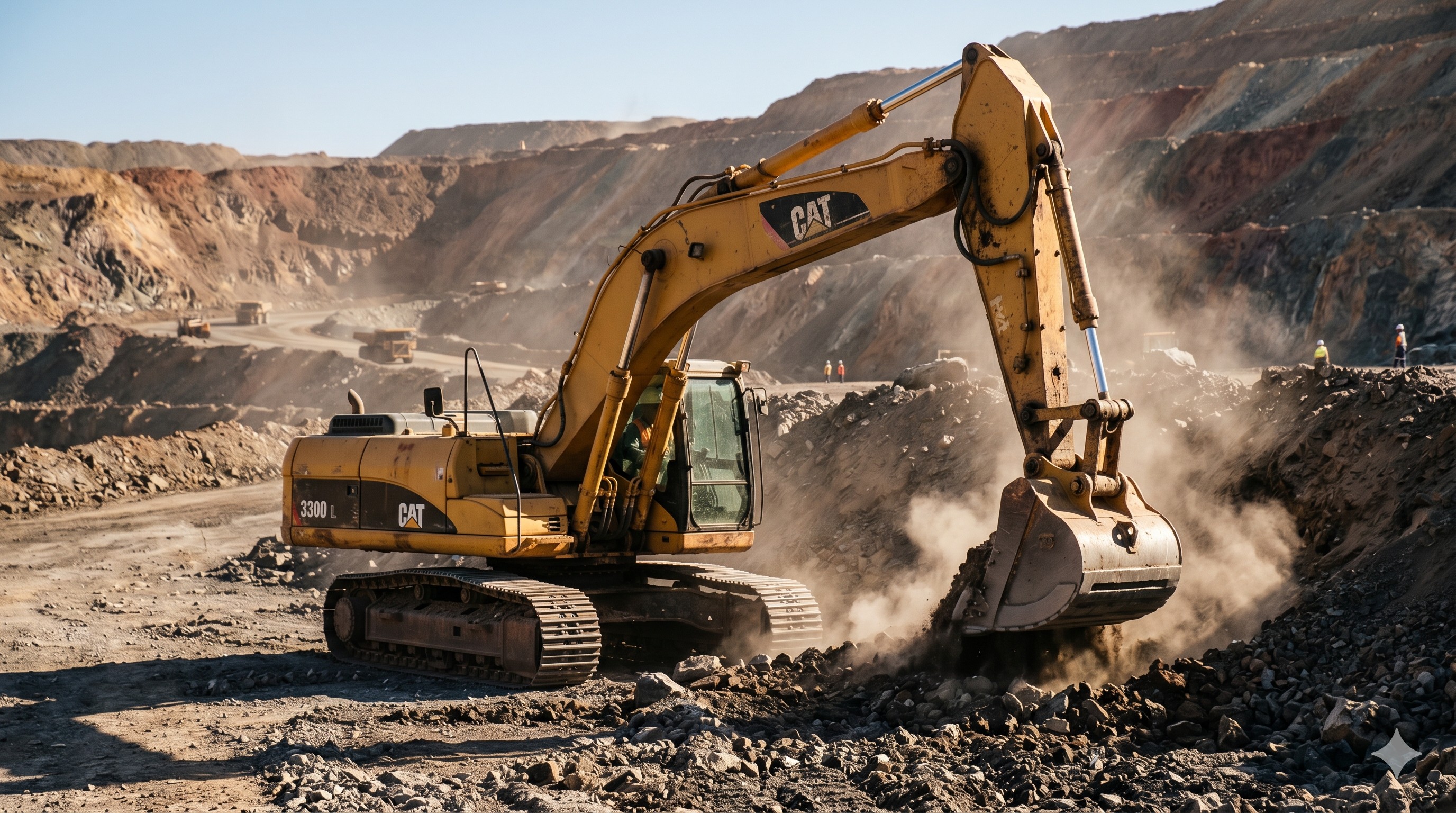
- Mining & Quarrying: Prioritize reinforced booms, hydraulic cylinder guards, and high-capacity cooling packages. Look for Stage V/Tier 4 Final aftertreatment to meet dust emission limits. Operating weight >25t with bucket breakout force >180 kN.
- Urban Construction & Demolition: Require ROPS/FOPS certified cabs, reduced swing radius, and auxiliary hydraulic circuits for shears or breakers. Hours under 6,000 with verified service history.
- Earthmoving & Land Clearing: High track tension and heavy-duty track shoes (700-800mm) are essential. Check for grapple-ready hydraulic rotation union. Target engine power >160 hp.
- Manufacturing & Scrap Handling: Demand increased alternator output (≥100A), vandalism protection, and optional electromagnet hydraulics. Focus on low-hour (<4,000) units with cab risers for visibility.
Conclusion: Data-Driven Acquisition for Industrial Productivity
Investing in a second-hand excavator is not a compromise but an optimization strategy – when guided by mechanical metrics and lifecycle analytics. By validating hydraulic pressure retention, powertrain wear limits, and emissions compliance (EPA Tier 4 / EU Stage V), contractors achieve 85% of new-machine productivity at half the capital risk. Future-proof your fleet with a certified used excavator backed by full diagnostic reports and a structured maintenance protocol. As sustainable construction practices expand, remanufactured and high-quality used equipment will form the backbone of cost-efficient, low-carbon earthmoving.